
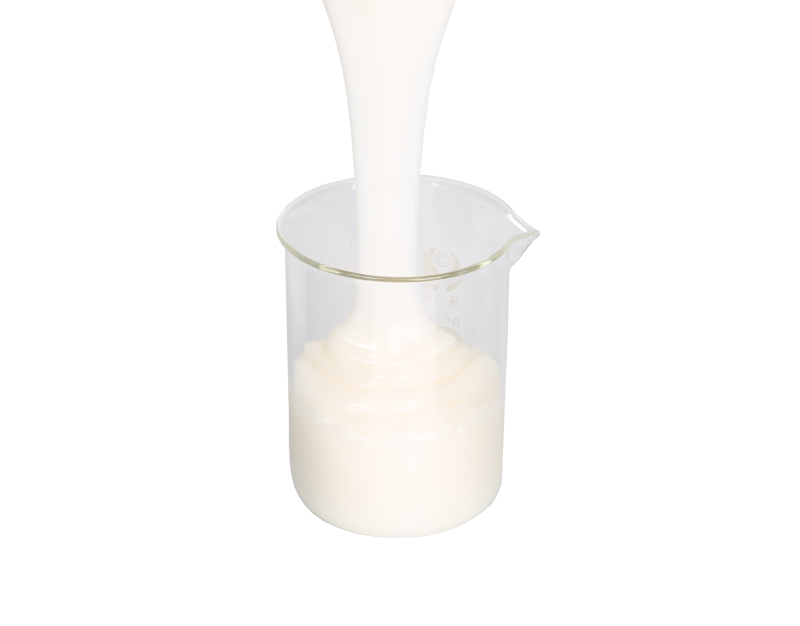
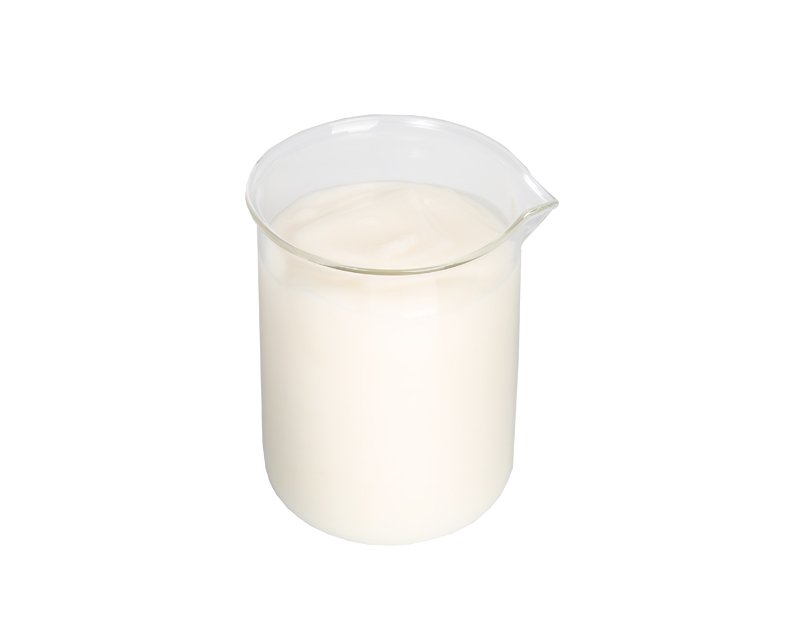
Appearance: Milky white viscous liquid
pH: 6.0 ~ 8.0
Content: 10% - 30% (Customize)
Note: The information above is for reference and shall not be deemed as a technical indicator.
2. Core production equipment
#Stirring tank system (4 sets):
Main mixing tank (1 unit): used for mixing, homogenizing and dehydrating the final product (if necessary). Equipped with frame-type high-power agitator, heating/cooling jacket, vacuum system, temperature sensor, etc.
#Premixing/dosing tank (3 units):
For premixing, dissolving or small batch premix of the raw materials is prepared. Various kinds of stirrers can be applied to match different material properties.
#Ancillary equipment:
raw material holding tank,metering apparatus, transport pump, filter, finished product holding tank,filling lines, laboratory equipment.
3. Cychemicals Production Method Description
A. Raw material storage inspection:
All raw materials entering the warehouse should be inspected according to the "acceptance criteria for raw materials" and stocked into storage only when it is confirmed that appearance, batch number, quantity, and key indexes are qualified.
The ingredients need to categorize and batch and the labels make it easy.
B. Pre-production preparation (BPR: Batch Production Record):
Issue "Production Instruction Sheet" and associated formula as per the order production plan.
Check whether the cleaning status of the target production tank and related equipment meets the requirements, and whether the equipment (mixing tank, pipeline, valve, instrument, vacuum, heating/cooling system, etc.) runs normally.
C. Raw material preparation and weighing:
The formula list in technical section must be strictly adhered to and respective raw material should be weighed correctly. We usually do the weighing in the region where the front/major mixing tank or pre-dispersion tank is placed. Apply "double review"" principle, make sure there is no mistake in the formula.
D. Premixing/Pre-dispersion (In a premixing tank) :
Stage 1: Dissolve the emulsifier in part of the carrier oil or water, and pre-disperse the thickener in one of the premixing tanks. Use appropriate stirring speed and time to ensure the formation of a uniform solution or dispersion.
Stage 2: Preliminary mixing and wetting of the main raw material with part of the carrier oil or premix in another premixing tank to reduce its viscosity and facilitate subsequent dispersion in the main tank.
E. The main mixing/compounding (conducted in the main mixing tank) comprises :
* Feeding:
Normally the primary carrier oil (in most cases) is pumped into the main mixing tank first and then mixing (slow RPM) commenced.
Add the premixed materials and the rest of the base raw materials following the order of the formula. The sequence of addition is important for the dispersion effect.
Viscous materials are usually heated at 50-70°C, and the specific temperature depends on the characteristics of the material. Pump in after reducing the viscosity.
* Mixing/homogenization:
When adding the beat, the formula requirement is adjusted to the beat speed.
The temperature, typically between 40 and 80 °C, is controlled by a jacket, established by the formula.
When adding the beat, the formula requirement is adjusted to the beat speed.
The temperature, typically between 40 and 80 °C, is controlled by a jacket, established by the formula.
The main raw materials are to be fully sheared and dispersed intotiny particles, and uniformly dispersed in the carrier, andform a stable states.
F. Cooling and maturation (in the main mixing tank or transferred to the finished product tank):
Stop the heating, open of the cooling water jacket and cool down the product to a safe filling temperature (usually ≤ 40°C). Some defoamers are required to maintain in a predetermined temperature for a period of time to stabilize the states.
G. In-process control (IPC):
Be taking samples at crucial steps for quick testing. Common IPC items include:
- Appearance (colour, relationship, part of particle)
- Viscosity
- Density
- Solids /Purity
- Water content (Karl Fischer water determination if drying is necessary)
The testing results need to be up to the standards of Cychemicals before proceedng to the next step.
H. Finished product inspection:
After the end of the production batch, samples are taken out for full-item test as per the “Finished Product Quality Standard” of related formula before filling.
Key indicators usually include: Appearance, viscosity, purity, pH value (water-based), stability (hot storage, cold storage) anti-foam performance (simulated customer application scene test), etc.
I. Filtration and filling:
The finished product is pumped to the product storage tank through the final filter.
Equipped with semi automatic filling machine, fill the product reasonably into certain package (25KG drums/200KG drums/IBC, etc.) according to request of the customer.
It is accurately labelled according to customer's model, specifications, batch, date of production and expiry.
J. Records and release:
QC Department reviews all records and inspection data, and release “Finished Product Release/Delivery Note” after ensured that it is complying with requirement.
4. Key points of quality control
>Raw material control: Cychemicals has strict supplier management and raw material entry inspection.
>Formula management: According to the needs of each customer, our technical department will provide the corresponding formula
to the production department to ensure the accuracy of the formula.
>Process parameter control: Strictly control the operating parameters of each tank (temperature, stirring speed/time, vacuum degree, feeding order).
>Process monitoring: We have an inspection department to conduct sampling inspections on semi-finished products during the production process.
>Equipment status confirmation: Ensure that the equipment is clean and functional.
>Finished product inspection: Comprehensive factory inspection, special experimental work for customer usage scenarios.
>Batch traceability: A complete batch record system to achieve product traceability throughout the life cycle.
5. Flowchart
Raw material receiving inspection → Raw material weighing → Premixing tank(pre-dispersion/dissolution) → Main mixing tank (feeding, heating, dispersion and homogenization, dehydration, adjustment, filtration) → Cooling/aging → IPC → Finished product inspection → Finished product filtration → Filling → Labeling → Warehousing release
↑ (Equipment cleaning throughout the front and back)
6. Commitment
Cychemicals is committed to continuously providing customers with stable performance and reliable quality defoaming products through standardized production process, strict quality control system and advanced equipment (four mixing tanks working together). We welcome customers to further communicate on the production details of specific products.
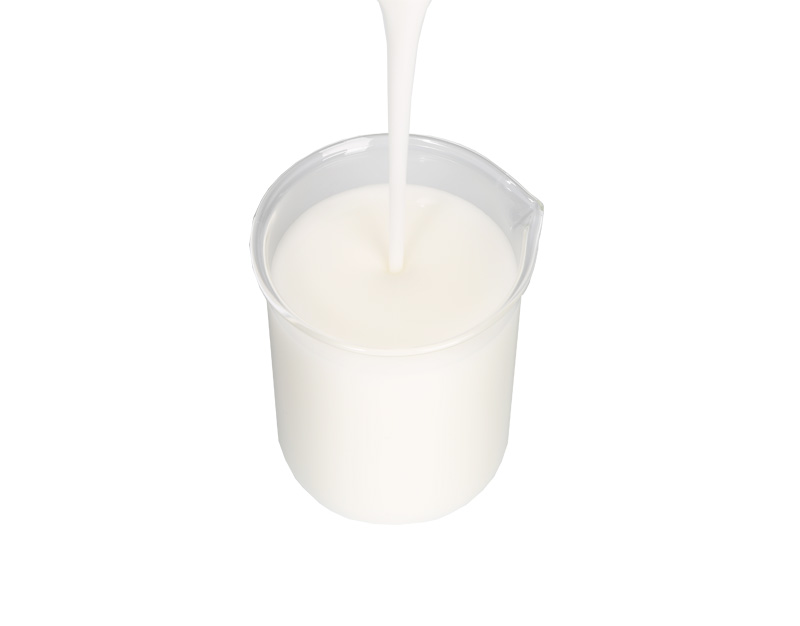
Foam, headache problem in water treatment processes, but often is the common and important problems that needs to be addressed to increase efficiency and provide safety and system integrity. Defoamers, or anti-foaming agents, are critical for controlling foam related problems. Let us discuss some common problems about water treatment defoamers:
A water treatment defoamer is designed to remove and lessen foam in both water management and wastewater management systems. Large amounts of foam in tanks can lead to overflows, interrupt sensors, and result in expensive delays. They are made to solve this series of problems from the root,by reducing the surface tension to cause uneven force on the liquid film, destroying the foam film structure, and promoting liquid film drainage to make the foam burst quickly. They can also prevent the formation of new foam by interfering with the arrangement of surfactants. Giving immediate foam reduction and lasting protection for a wide range of industries.
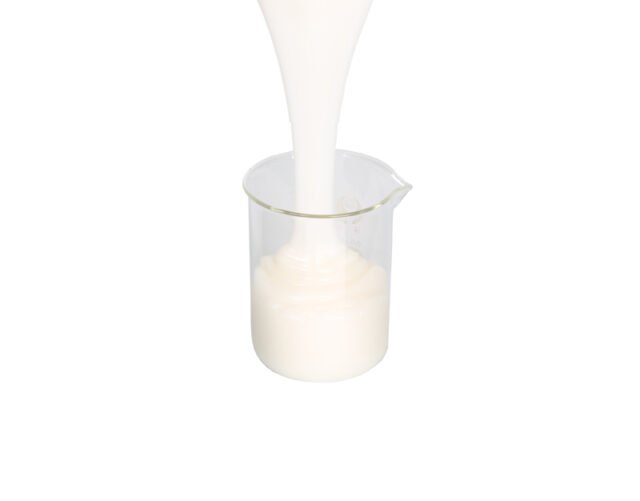
Figure 1 Water Treatment Defoamer – Silicone Defoamer
Water with foam isn’t only unsightly—it can cause problems.
Surfactants, living organisms, or stirring usually result in foam, and manual methods for removing foam are both ineffective and tiring.
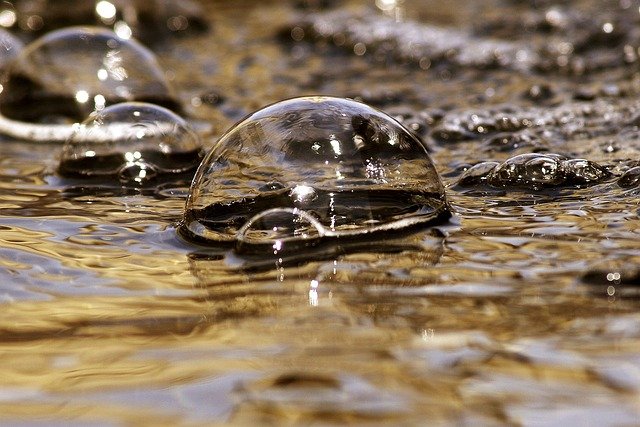
Figure 2 Foam
Defoamers work by interrupting foam bubble surface tension. They act through one or more of the following mechanisms:
Our water treatment defoamers are the third generation of silicone modification technology.
They reduce surface tension, causing uneven force on the liquid film, destroying the foam film structure, promoting drainage of the liquid film, and causing the foam to burst rapidly.
They also contain hydrophobic particles that puncture the bubble wall to achieve a rapid defoaming effect.
| Industry | Typical Applications |
| Municipal Wastewater | Aeration basins, digesters, clarifiers |
| Pulp & Paper | Deinking tanks, wash presses |
| Food & Beverage | CIP systems, effluent treatment |
| Chemical Processing | Reaction tanks, cooling towers |
| Power Generation | Boiler feedwater, blowdown recovery |
| Textiles & Dyeing | Jet dyeing, finishing, effluent treatment |
| Oil & Gas | Drilling fluid treatment, process water |
Water Treatment Defoamers are delivered to customers worldwide and are offered in these sizes:
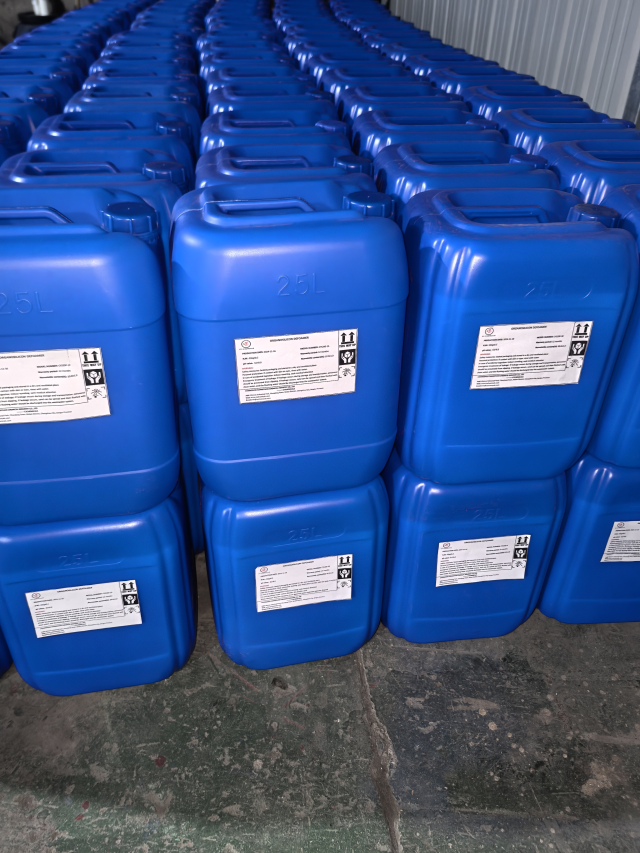
Figure 3 25KGS Drums for Defoamer
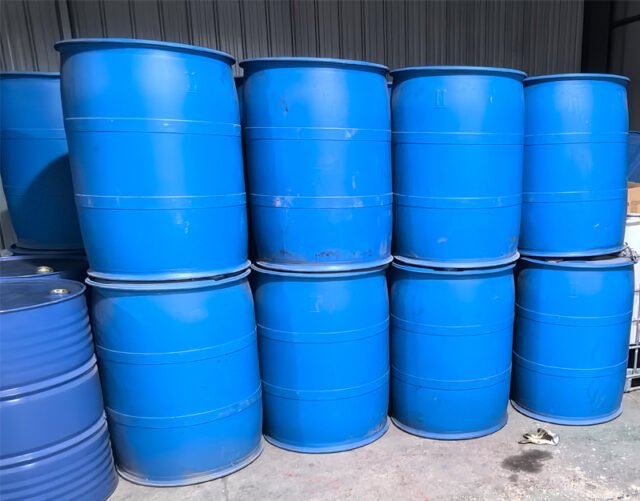
Figure 4 200KGS Drums for Defoamer
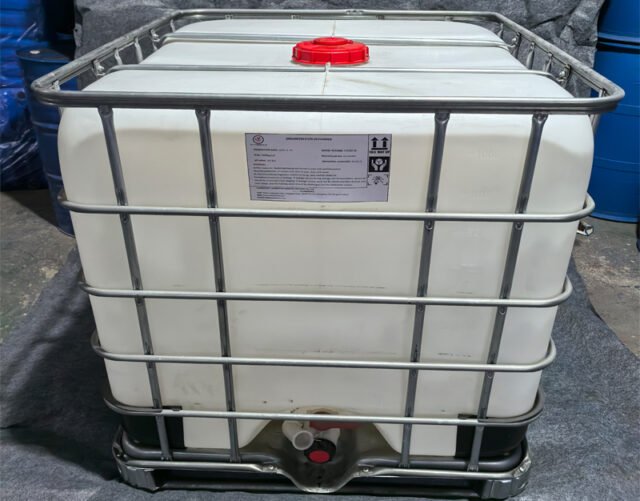
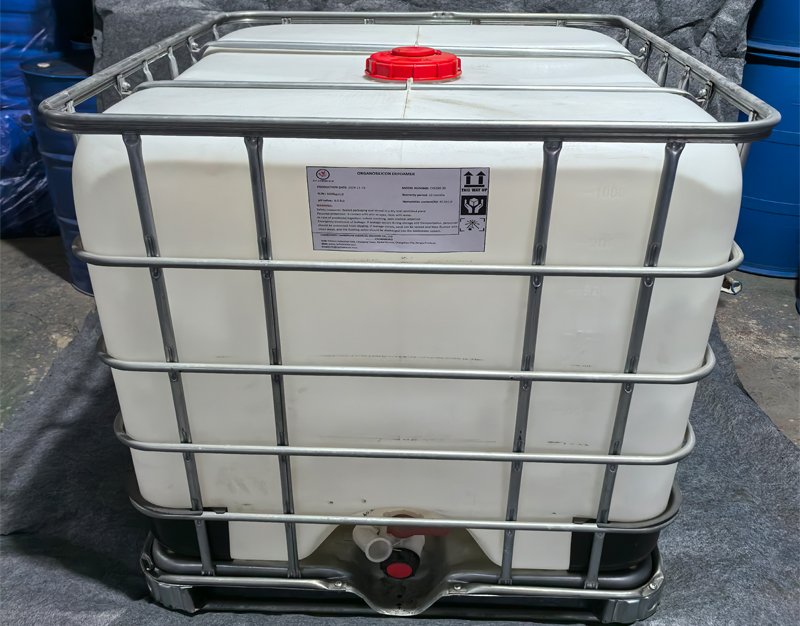
Figure 5 1000KGS IBC for Defoamer
If a whole container is shipped, we recommend using IBC packaging, which can maximize the use of container space and reduce transportation costs.
We also offer:
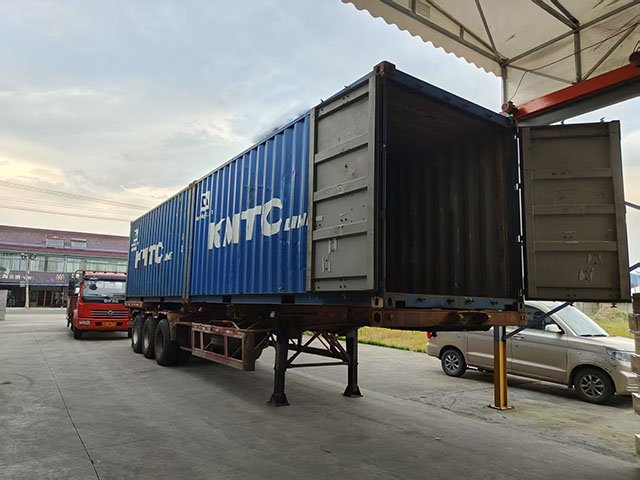
Figure 6 40ft Container Loaded
© 2025 Cychemicals. All rights reserved